

What FDEP requires and what you want can be the same project. Here is how.
Shoreline restoration along the Indian River Lagoon. Living shoreline, riprap, and hybrid approaches — designed to FDEP Aquatic Preserve standards. Full permit coordination.
21
Years on the lagoon
100%
Self-performed
25-yr
Typical design life
8
Private communities
ShorelineerosioninIndianRiverLagoonisgradualuntilitisnot.Seasonalwaveaction,boatwakefromtheICW,andstormsurgeloadanaturalshorelinedifferentlythantheyloadanarmoredone.
FDEP-permitted
Every project runs the full FDEP, USACE, and Indian River County permit pack — filed, tracked, and closed by us.
Engineered to ASCE 7
Stamped structural design against the lagoon's tide, surge, and salt — not a generic catalog spec.
Self-performed
One licensed Florida marine contractor (RG291103858), one accountable crew — no subcontractor hand-offs.
Selected work
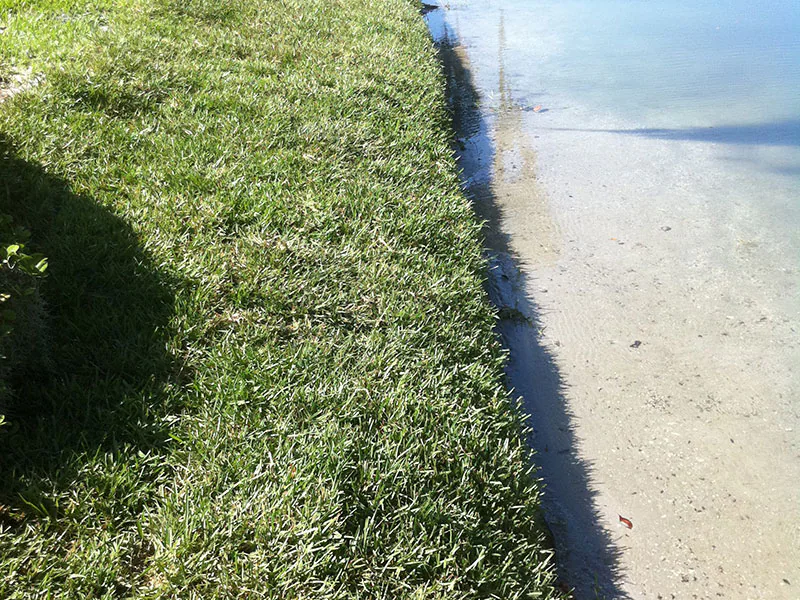
John's Island 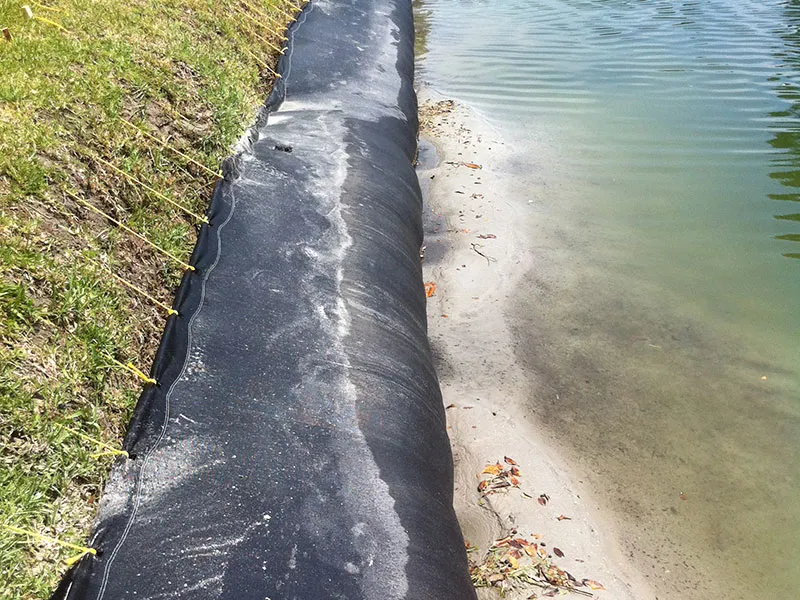
John's Island 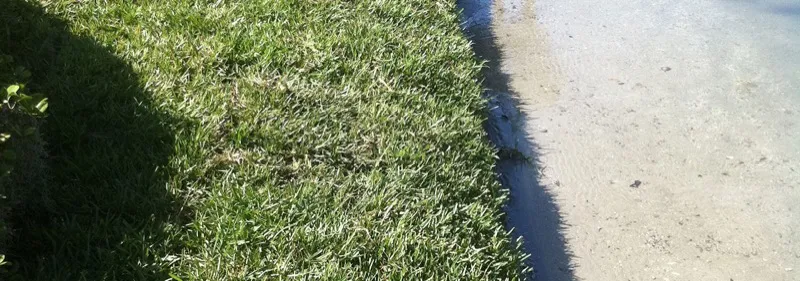
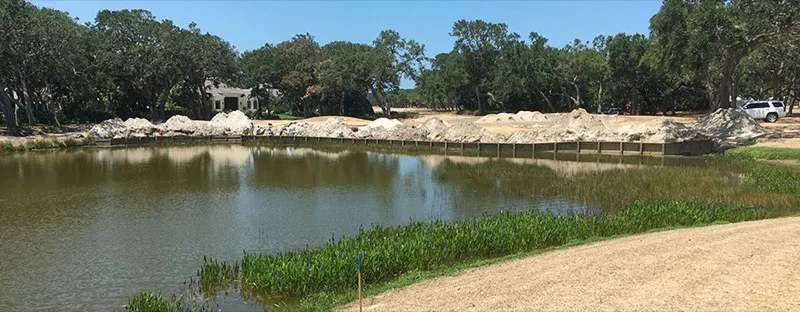


Shoreline Restoration on the Indian River Lagoon.
What shoreline erosion on Indian River Lagoon actually means.
Shoreline erosion in Indian River Lagoon is gradual until it is not. Seasonal wave action, boat wake from the ICW, and storm surge load a natural shoreline differently than they load an armored one. Native vegetation loss removes root structure that holds the soil profile.
How we assess and restore shorelines.
Shoreline assessment evaluates erosion rate, soil profile, existing vegetation, mangrove fringe extent, and wave exposure. The assessment determines whether the appropriate response is emergency riprap (active breach, immediate stabilization), living shoreline (native plantings, oyster substrate, phased restoration), or hybrid (structural element plus vegetation). FDEP permit class follows from the approach: living shoreline with only native vegetation and oyster substrate may qualify for FDEP Exemption — the lowest tier — significantly reducing processing time.
The Indian River Lagoon — what it changes about shoreline work.
Indian River Lagoon's FDEP Aquatic Preserve designation means hard armoring proposals in sensitive areas trigger Individual ERP review (120–150 days) rather than General Permit. Living shoreline approaches often qualify for faster review — sometimes FDEP Exemption processing at 15–30 days. Mangrove fringe is common on lagoon lots and is protected under Florida Statute — any work affecting mangroves, including dead ones, requires separate FDEP mangrove permit authorization.
5 phases, in order.
01Shoreline assessment and permit-path determination1–2 weeks | 02FDEP permit review (varies by approach)15–150 days | 03Material procurement1–3 weeks | 04Installation (riprap or living shoreline structure)1–3 weeks | 05Vegetative establishment monitoring90 days post-plant |
What we specify, and why.
Material selection follows site conditions and FDEP permit class. Riprap (limestone or granite) is specified for active erosion requiring immediate structural stabilization. Oyster reef substrate panels are specified for living shoreline installations — they provide hard substrate for oyster recruitment while filtering the water column. Native vegetation (smooth cordgrass, black needlerush, and saltmarsh bulrush) is specified for vegetative stabilization above the mean high water line. For hybrid approaches, we specify the structural element to support vegetation establishment, then phase out maintenance intervention as root structure develops.
Shoreline restoration in Vero Beach ranges from $20,000 for emergency riprap (active erosion, 100 linear feet) to $120,000 for full restoration with retaining structure and vegetation (200 linear feet). A 100-foot living shoreline with native plantings and oyster reef substrate runs $40,000–$75,000. FDEP grants through the Living Shoreline Program may reduce cost by 15–30% — availability varies. Primary variables: shoreline length, erosion severity, restoration method, and permit class.
[KEITH: confirm warranty terms for shoreline restoration — vegetative establishment is typically guaranteed for one growing season.]
Frequently asked questions.
Let's start with a walk of the property.
Site visits with Keith are by appointment — a one-hour walk of the waterfront, then a written estimate within ten business days.